
Close Menu
Vodacom Study Blog –  Empowering Learning, Inspiring Success
  • Home
  • Technology
    • AI
    • programming
    • Gadgets
    • Software
    • cybersecurity
  • Finance
    • banking
    • budgeting
    • crypto
    • investing
  • Business
    • Entrepreneurship
    • leadership
    • management
    • marketing
  • Education
    • Learning resources
    • online courses
    • academic guidance
    • academic guidance
    • Learning resources
  • More
    • Business
      • management
      • leadership
      • Entrepreneurship
      • marketing
      • Education
      • academic guidance
      • Learning resources
    • Entertainment
      • celebrity
      • Movies
      • reviews
      • news
      • music
      • TV shows
    • Health & Wellness
      • Fitness
      • lifestyle habits
      • medical advice
      • mental health
    • Lifestyle
      • relationships
      • Daily living
      • habits
      • self-improvement
      • minimalism
    • Sports
      • fitness sports content
      • Game analysis
      • athletes
      • news
    • Home & Garden
      • DIY home improvement
      • gardening
      • Interior design
    • Parenting & Family
      • parenting tips,
      • Childcare
      • parenting tips,
      • family life
      • education
    • Personal Development
      • motivation
      • Productivity
      • psychology
      • goal setting
      • habits
    • Travel
      • travel guides
      • tips
      • itineraries
      • Destinations
      • reviews
    • Food & Recipes
      • Cooking
      • baking
      • diets
      • restaurant reviews
  • About Us
  • Contact
What's Hot

Parents worry about ed tech. Most still see a place for it, polls suggest.

September 30, 2026

Teen Driving Safety: Conversations for Parents

September 30, 2026

How to Stop Yelling at Your Teenager

September 30, 2026
Facebook X (Twitter) Instagram
Vodacom Study Blog –  Empowering Learning, Inspiring SuccessVodacom Study Blog –  Empowering Learning, Inspiring Success
Subscribe
  • Home
  • Technology
    • AI
    • programming
    • Gadgets
    • Software
    • cybersecurity
  • Finance
    • banking
    • budgeting
    • crypto
    • investing
  • Business
    • Entrepreneurship
    • leadership
    • management
    • marketing
  • Education
    • Learning resources
    • online courses
    • academic guidance
    • academic guidance
    • Learning resources
  • More
    • Business
      • management
      • leadership
      • Entrepreneurship
      • marketing
      • Education
      • academic guidance
      • Learning resources
    • Entertainment
      • celebrity
      • Movies
      • reviews
      • news
      • music
      • TV shows
    • Health & Wellness
      • Fitness
      • lifestyle habits
      • medical advice
      • mental health
    • Lifestyle
      • relationships
      • Daily living
      • habits
      • self-improvement
      • minimalism
    • Sports
      • fitness sports content
      • Game analysis
      • athletes
      • news
    • Home & Garden
      • DIY home improvement
      • gardening
      • Interior design
    • Parenting & Family
      • parenting tips,
      • Childcare
      • parenting tips,
      • family life
      • education
    • Personal Development
      • motivation
      • Productivity
      • psychology
      • goal setting
      • habits
    • Travel
      • travel guides
      • tips
      • itineraries
      • Destinations
      • reviews
    • Food & Recipes
      • Cooking
      • baking
      • diets
      • restaurant reviews
  • About Us
  • Contact
Vodacom Study Blog –  Empowering Learning, Inspiring Success
Home»#Newsapp»Mayo Clinic Q&A: How does dehydration affect the heart?
#Newsapp

Mayo Clinic Q&A: How does dehydration affect the heart?

studyblogBy studyblogAugust 6, 2026No Comments4 Mins Read
Facebook Twitter LinkedIn Telegram Pinterest Tumblr Reddit WhatsApp Email
Share
Facebook Twitter LinkedIn Pinterest Email


  • Cardiovascular

    August 6, 2026

DEAR MAYO CLINIC: My neighbor spends a lot of time outdoors gardening and doing yard work, especially during the summer. Recently, after working outside on a hot day, she became lightheaded and noticed her heart racing. She suspected dehydration was to blame, but it made me wonder: Can dehydration affect your heart? When should symptoms like this be taken seriously? 

ANSWER: Dehydration can affect much more than your thirst. It also can place extra stress on your heart and cardiovascular system. 

Think of the heart as a pump. For it to work properly, enough blood needs to return to it with every heartbeat. When you become dehydrated, the amount of fluid circulating in your bloodstream decreases. That means less blood returns to the heart, so it has to work harder to keep blood moving throughout your body. 

Your body has several built-in ways to respond to dehydration. Blood vessels narrow to help maintain blood pressure, and your heart beats faster to keep blood moving. If dehydration becomes more severe, those usual responses can begin to fail. As a result, organs such as the brain, kidneys, liver and digestive system may not receive enough blood to function properly. 

Recognizing dehydration and knowing your risks

As dehydration worsens, symptoms can include: 

  • Racing heartbeat or palpitations 

If dehydration becomes severe, it can lead to heatstroke or fainting. These are medical emergencies and should be evaluated by a healthcare professional immediately. 

Anyone can become dehydrated, but some people are at greater risk, including: 

  • People taking certain medications, such as diuretics or GLP-1 receptor agonists 

People with heart failure or other forms of heart disease should be especially careful. Their hearts may have less reserve to respond to the added stress of dehydration. Many also take medications that remove fluid from the body, lower blood pressure or slow the heart rate, which can limit the body’s usual ability to compensate.  

Staying hydrated and preventing compliations

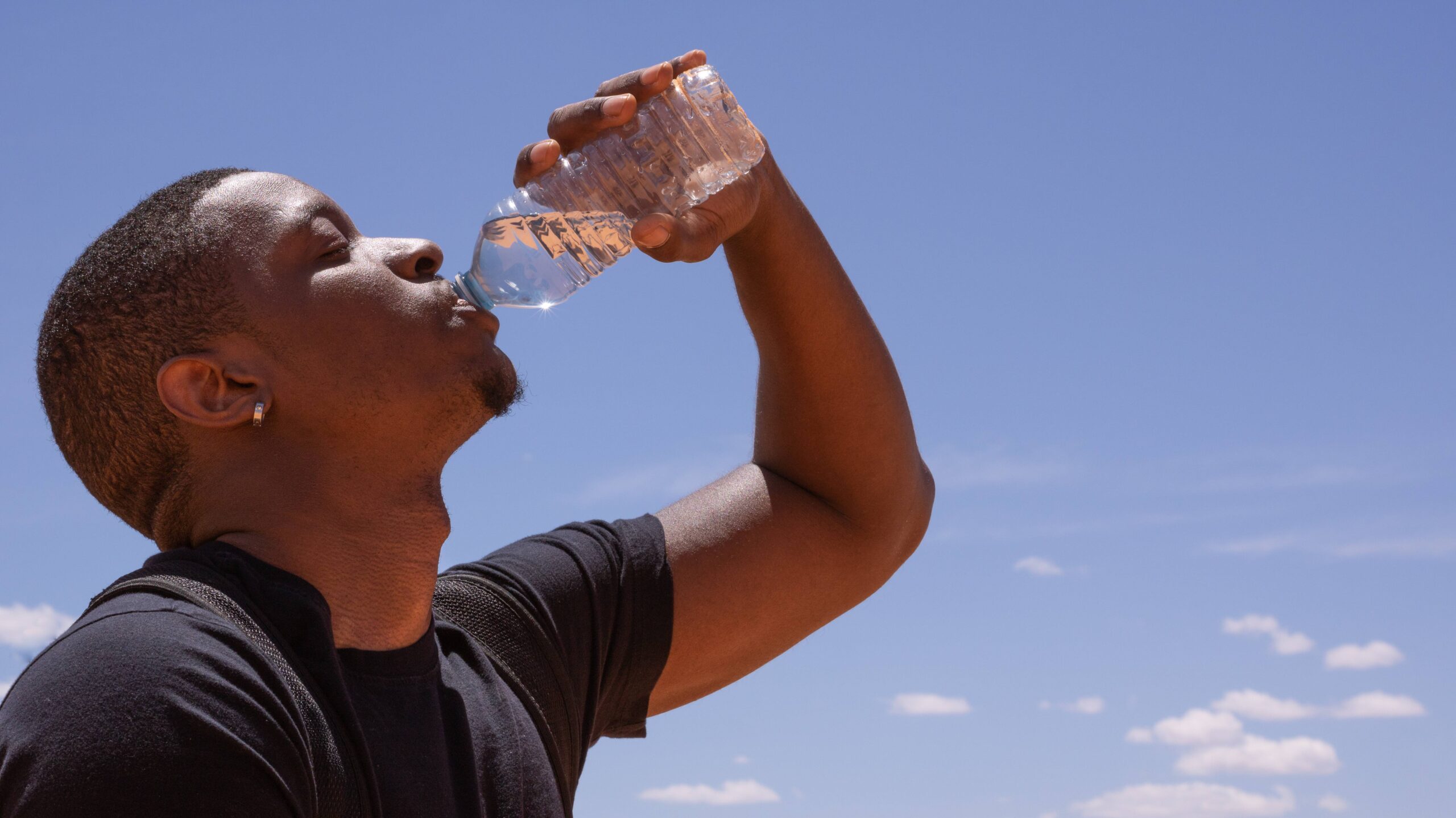
There isn’t a one-size-fits-all recommendation for how much water you need. For most healthy people, thirst is a reliable guide. If you feel thirsty, drink something. If you know you’ll be spending time outdoors in the heat or exercising for an extended period, increase your fluid intake beforehand. 

Dehydration isn’t always easy to recognize, so it helps to look for other signs. Dry mouth, dry skin, dark urine, foamy urine or a burning sensation when you urinate may all indicate you need more fluids. One of the simplest ways to monitor your hydration is to pay attention to the color of your urine. Pale or clear urine generally suggests you’re well hydrated, while darker urine may be a sign that you need more fluids. 

Water is an excellent first choice for staying hydrated, but if you’re truly dehydrated, water alone may not always be enough. Your blood contains electrolytes such as sodium, potassium and magnesium. Drinking water along with consuming something salty may help replace both fluids and electrolytes. People participating in prolonged exercise or endurance activities also may benefit from electrolyte-containing sports drinks. 

Alcohol is a large contributor to dehydration because it changes how the brain and kidneys regulate fluids and can increase fluid loss. Highly caffeinated drinks also can contribute to dehydration. If you’re trying to rehydrate, choose water or electrolyte-containing drinks instead of sugary drinks or soda. 

The best way to prevent dehydration is to stay ahead of it. Make drinking fluids a regular part of your day. Drinking smaller amounts throughout the day is often more effective than consuming a large amount all at once. If you’ll be gardening, exercising or working outdoors in hot, humid weather, plan ahead, stay aware of how you’re feeling and adjust your activities if needed. 

Most importantly, know your personal risk. If you’re older, have heart disease or take medications that affect your body’s fluid balance, you may need to pay especially close attention to staying hydrated. Planning ahead, listening to your body and recognizing the signs of dehydration can help protect your heart and your overall health. 

Brodie R. Marthaler, M.D., Cardiology, Mayo Clinic Health System, Eau Claire, Wisconsin  

Related Articles


Source link

Share. Facebook Twitter Pinterest LinkedIn Tumblr Telegram Email
Previous ArticleInternational study identifies promising therapy to prevent relapses in rare neurological disease
Next Article Schools are building AI rules before they know the destination
studyblog
  • Website

Related Posts

Distinct gut microbiome patterns found in 5 cancer groups and in early-onset cancers

September 29, 2026

Brain metastases: Fractionated radiosurgery reduces recurrence after surgery

September 28, 2026

Mayo Clinic experts present radiation oncology research at ASTRO 2026

September 25, 2026
Add A Comment
Leave A Reply Cancel Reply

Top Posts

10 Trends From Year 2020 That Predict Business Apps Popularity

January 20, 2021

Shipping Lines Continue to Increase Fees, Firms Face More Difficulties

January 15, 2021

Qatar Airways Helps Bring Tens of Thousands of Seafarers

January 15, 2021

Subscribe to Updates

Get the latest sports news from SportsSite about soccer, football and tennis.

Vodacom Study delivers trusted insights on technology, business, finance, and education—helping you learn smarter, stay informed, and succeed in a rapidly changing world.

Facebook X (Twitter) Instagram Pinterest
Top Insights

Top UK Stocks to Watch: Capita Shares Rise as it Unveils

January 15, 2021
8.5

Digital Euro Might Suck Away 8% of Banks’ Deposits

January 12, 2021

Oil Gains on OPEC Outlook That U.S. Growth Will Slow

January 11, 2021
Get Informed

Subscribe to Updates

Get the latest creative news from FooBar about art, design and business.

© 2013 - www.vodacomstudy.com | All rights reserved
  • Home
  • Technology
  • Business
  • Get In Touch

Type above and press Enter to search. Press Esc to cancel.