Close Menu
Vodacom Study Blog –  Empowering Learning, Inspiring Success
  • Home
  • Technology
    • AI
    • programming
    • Gadgets
    • Software
    • cybersecurity
  • Finance
    • banking
    • budgeting
    • crypto
    • investing
  • Business
    • Entrepreneurship
    • leadership
    • management
    • marketing
  • Education
    • Learning resources
    • online courses
    • academic guidance
    • academic guidance
    • Learning resources
  • More
    • Business
      • management
      • leadership
      • Entrepreneurship
      • marketing
      • Education
      • academic guidance
      • Learning resources
    • Entertainment
      • celebrity
      • Movies
      • reviews
      • news
      • music
      • TV shows
    • Health & Wellness
      • Fitness
      • lifestyle habits
      • medical advice
      • mental health
    • Lifestyle
      • relationships
      • Daily living
      • habits
      • self-improvement
      • minimalism
    • Sports
      • fitness sports content
      • Game analysis
      • athletes
      • news
    • Home & Garden
      • DIY home improvement
      • gardening
      • Interior design
    • Parenting & Family
      • parenting tips,
      • Childcare
      • parenting tips,
      • family life
      • education
    • Personal Development
      • motivation
      • Productivity
      • psychology
      • goal setting
      • habits
    • Travel
      • travel guides
      • tips
      • itineraries
      • Destinations
      • reviews
    • Food & Recipes
      • Cooking
      • baking
      • diets
      • restaurant reviews
  • About Us
  • Contact
What's Hot

Cheating is not the problem–it’s a solution (in a zero-sum educational system)

October 1, 2026

Why Do Teens Take Risks? Inside the Teenage Brain

October 1, 2026

Help Your Teenager Find Purpose: 3 Ways to Start

October 1, 2026
Facebook X (Twitter) Instagram
Vodacom Study Blog –  Empowering Learning, Inspiring SuccessVodacom Study Blog –  Empowering Learning, Inspiring Success
Subscribe
  • Home
  • Technology
    • AI
    • programming
    • Gadgets
    • Software
    • cybersecurity
  • Finance
    • banking
    • budgeting
    • crypto
    • investing
  • Business
    • Entrepreneurship
    • leadership
    • management
    • marketing
  • Education
    • Learning resources
    • online courses
    • academic guidance
    • academic guidance
    • Learning resources
  • More
    • Business
      • management
      • leadership
      • Entrepreneurship
      • marketing
      • Education
      • academic guidance
      • Learning resources
    • Entertainment
      • celebrity
      • Movies
      • reviews
      • news
      • music
      • TV shows
    • Health & Wellness
      • Fitness
      • lifestyle habits
      • medical advice
      • mental health
    • Lifestyle
      • relationships
      • Daily living
      • habits
      • self-improvement
      • minimalism
    • Sports
      • fitness sports content
      • Game analysis
      • athletes
      • news
    • Home & Garden
      • DIY home improvement
      • gardening
      • Interior design
    • Parenting & Family
      • parenting tips,
      • Childcare
      • parenting tips,
      • family life
      • education
    • Personal Development
      • motivation
      • Productivity
      • psychology
      • goal setting
      • habits
    • Travel
      • travel guides
      • tips
      • itineraries
      • Destinations
      • reviews
    • Food & Recipes
      • Cooking
      • baking
      • diets
      • restaurant reviews
  • About Us
  • Contact
Vodacom Study Blog –  Empowering Learning, Inspiring Success
Home»#Newsapp»Distinct gut microbiome patterns found in 5 cancer groups and in early-onset cancers
#Newsapp

Distinct gut microbiome patterns found in 5 cancer groups and in early-onset cancers

studyblogBy studyblogSeptember 29, 2026No Comments5 Mins Read
Facebook Twitter LinkedIn Telegram Pinterest Tumblr Reddit WhatsApp Email
Share
Facebook Twitter LinkedIn Pinterest Email


  • Cancer

    September 29, 2026

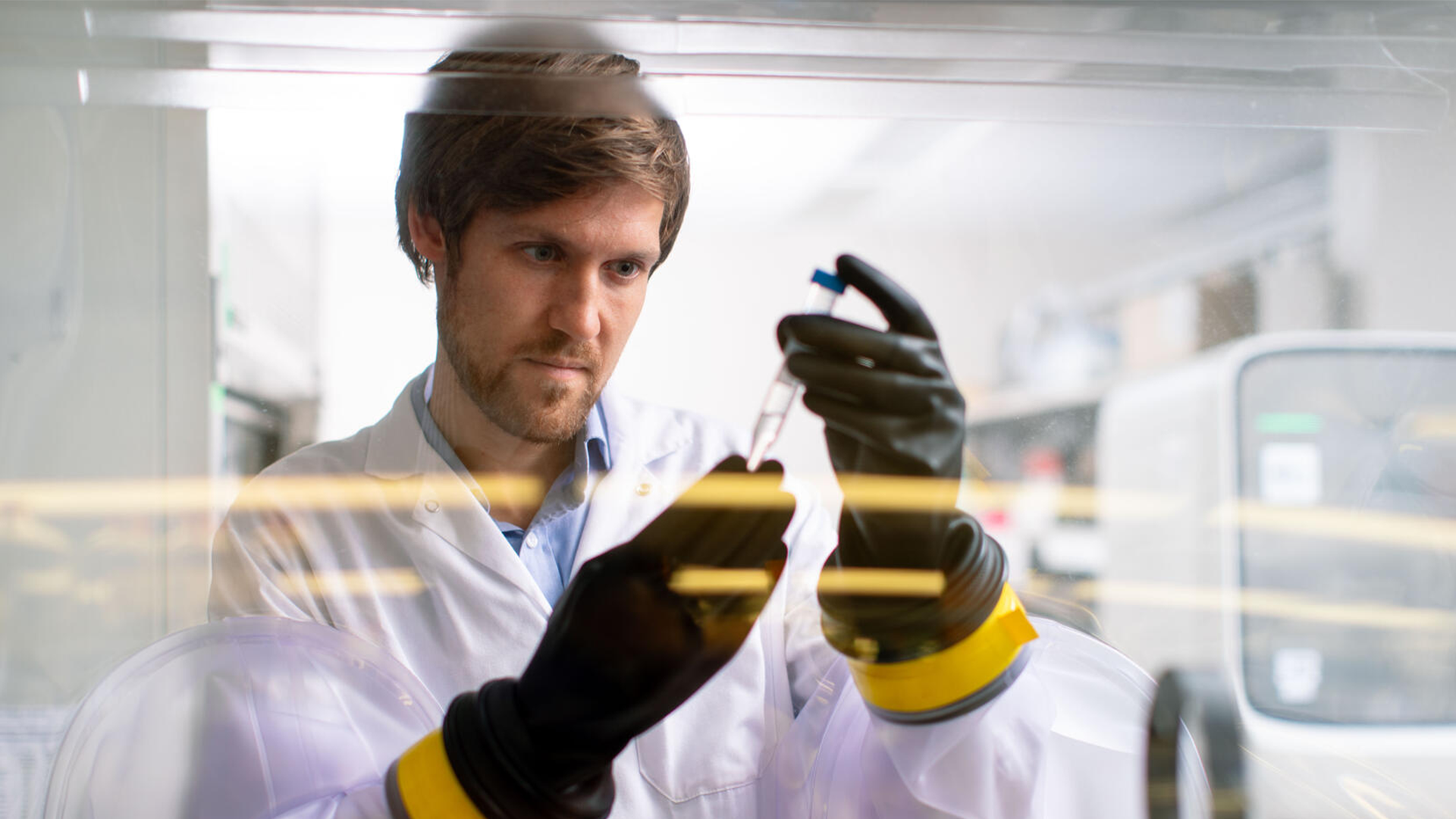
Ruben Mars, Ph.D., works within an anaerobic chamber in the Microbiomics Program laboratory at Mayo Clinic.

Study links gut bacteria to cancer survival, pretreatment signal tied to chemotherapy toxicity 

ROCHESTER, Minn. — Mayo Clinic researchers have discovered distinct gut microbiome patterns in adults age 50 or younger with colorectal and breast cancers compared with those diagnosed later in life — one of several findings from an analysis of stool samples from 1,364 patients with cancer across cancer types, stages and treatments.

Among younger patients, those with colorectal cancer had higher lactate levels and more Veillonella parvula, a gut bacterium that feeds on lactate. Early-onset breast cancer showed changes across 64 bacterial species and lower levels of primary bile acids.

Published in Cell, the findings come from the Mayo Clinic Cancer Microbiome cohort, a real-world study that recruited cancer patients at Mayo Clinic in Arizona, Florida and Minnesota, representing 40 states. Stool samples were collected before patients began a new treatment regimen and linked to detailed clinical data on side effects and outcomes. The samples provided a window into the gut microbiome — the trillions of microbes living in the digestive tract.


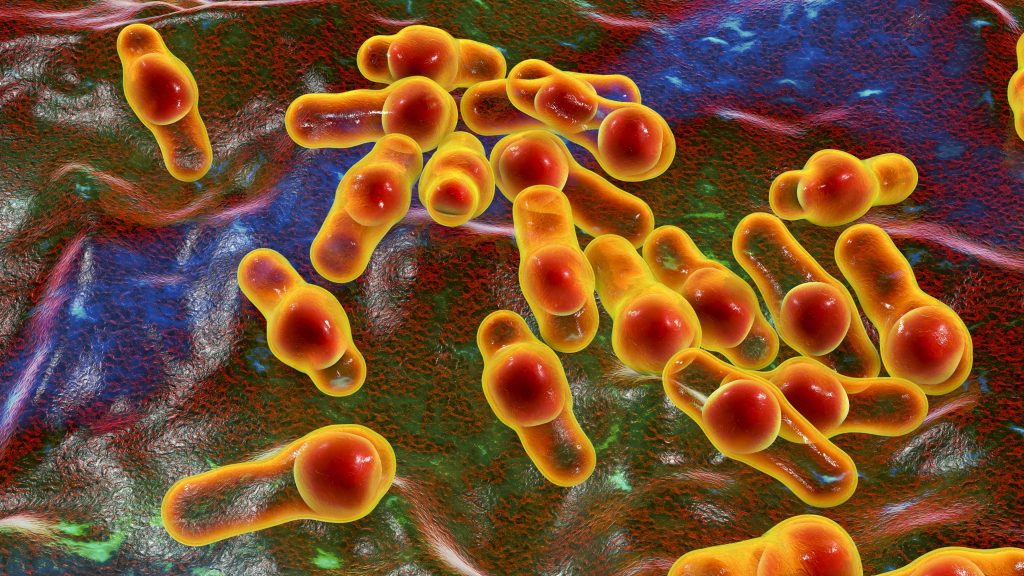
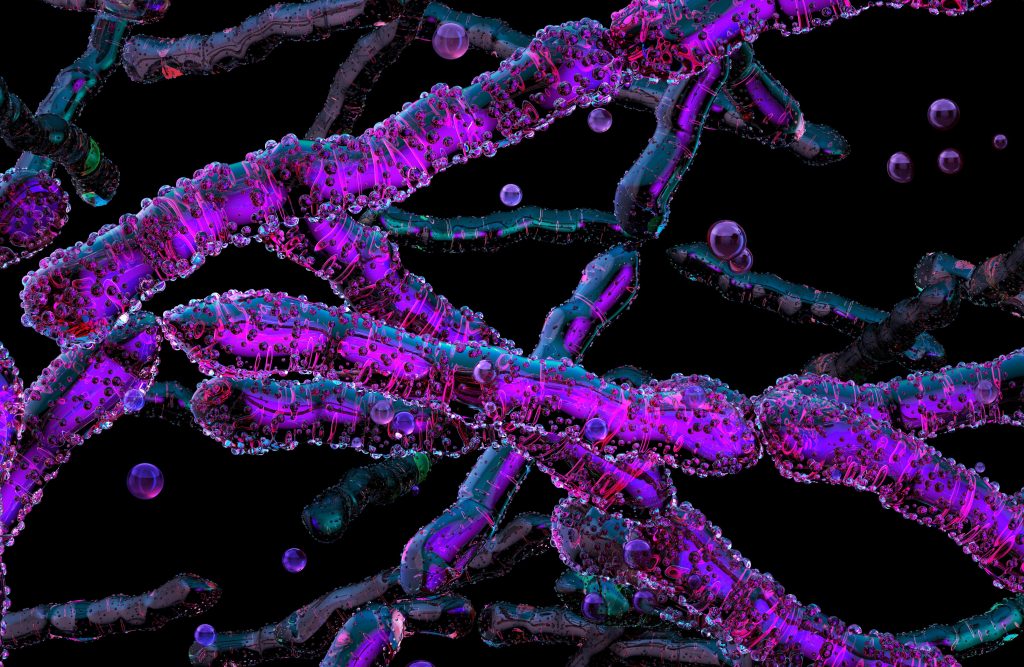
Veillonella bacteria illustration
Enterococcus bacteria illustration
Streptococcus bacteria illustration
Clostridium bacteria illustration
Actinomyces bacteria illustration
Lactobacillus bacteria illustration
Examples of gut bacteria linked to cancer-related microbiome patterns in the study include Veillonella, Lactobacillus, Enterococcus, Streptococcus, Actinomyces and Clostridium.

Cancer-specific microbiome patterns emerge

Researchers first compared patients with cancer with 287 people without cancer to identify broad microbiome differences. Comparisons across cancer types then revealed more specific signals. After accounting for other health conditions, researchers pinpointed 341 bacterial species associated with five cancer groups.

Among those groups, neuroendocrine tumors showed a broad loss of common, health-associated gut bacteria. Liver and intrahepatic bile duct cancers had higher levels of several bacteria, including Enterococcus faecalis, while esophageal cancer had higher levels of six species, including several Streptococcus bacteria. Distinct associations were also found in lymphoid leukemia and multiple myeloma and related plasma cell cancers.

“We can now narrow the search to those microbial changes that are most specific to individual cancers,” says Ruben Mars, Ph.D., a Mayo Clinic microbiome researcher and co-corresponding author. “Those are the signals we need to understand first if we want to determine whether the microbiome plays a causal role in cancer and ultimately develop targeted interventions.”

Distinct patterns in early-onset cancers 

The findings come as colorectal and breast cancer rates rise among younger adults. Colorectal cancer incidence is increasing about 3% a year among adults ages 20 to 49, while breast cancer incidence is rising 1.4% a year among women younger than 50, according to the American Cancer Society.

The colorectal finding raises questions about a possible biological connection: Tumors can produce high levels of lactate, which Veillonella parvula uses to grow. Whether that relationship plays a role in early-onset disease is not yet known.

In breast cancer, one of the 64 species that differed in younger patients was Clostridium scindens, a bacterium involved in bile acid and steroid metabolism.

No comparable age-related microbiome differences were found in brain cancer, the third cancer examined in the early-onset analysis. The colorectal and breast cancer findings do not establish that these microbial or metabolic differences cause early-onset disease, but they identify associations that warrant further study.

Gut microbiome linked to survival and treatment side effects 

Portrait of Dr. Purna Kashyap
Purna Kashyap, M.B.B.S.

Researchers also identified specific gut bacteria associated with survival in colorectal, liver and intrahepatic bile duct, melanoma, ovarian and prostate cancers. In liver and intrahepatic bile duct cancer, Bifidobacterium longum was associated with longer survival and Blautia A massiliensis with shorter survival.

Researchers also studied whether the gut microbiome before treatment was associated with diarrhea during chemotherapy, a side effect that can make treatment harder to tolerate. Among patients receiving 5-fluorouracil, or 5-FU, a chemotherapy used to treat many types of cancer, those who later developed diarrhea had lower levels of bacterial genes capable of breaking down the drug. Much of that function came from Anaerostipes hadrus, a common gut bacterium.

The same signal was not linked to diarrhea in patients receiving carboplatin, another chemotherapy drug, suggesting the finding was specific to 5-FU.

“The microbiome is not the sole driver of cancer or treatment outcomes, but it is an underappreciated component that has not traditionally been considered in therapeutic approaches,” says Purna Kashyap, M.B.B.S., senior author and director of the Mayo Clinic Microbiome Program. “This gives us a proof of concept that we can begin to understand why some patients experience a particular side effect and identify a target that could potentially be acted upon.”

Next, researchers will investigate whether cancer-specific microbial signals play a causal role in disease and validate the microbiome’s potential to predict treatment side effects in larger patient groups.

The research was supported in part by the National Institutes of Health and philanthropic gifts from the Valhalla Foundation, the Maxine & Jack Zarrow Family Foundation, and other benefactors to the Mayo Clinic Microbiome Program and Center for Individualized Medicine. For a complete list of authors, disclosures and funding, review the study. 

###  

About Mayo Clinic  
Mayo Clinic is a nonprofit organization committed to innovation in clinical practice, education and research, and providing compassion, expertise and answers to everyone who needs healing. Visit the Mayo Clinic News Network for additional Mayo Clinic news.  

Media contact:   

Related Articles


Source link

Share. Facebook Twitter Pinterest LinkedIn Tumblr Telegram Email
Previous Article5 strategies to boost U.S. K-12 math achievement
Next Article How to Stop Yelling at Your Teenager
studyblog
  • Website

Related Posts

Mayo Clinic receives gift from Penske Foundation to transform patients’ arrival experience

September 30, 2026

Brain metastases: Fractionated radiosurgery reduces recurrence after surgery

September 28, 2026

Mayo Clinic experts present radiation oncology research at ASTRO 2026

September 25, 2026
Add A Comment
Leave A Reply Cancel Reply

Top Posts

10 Trends From Year 2020 That Predict Business Apps Popularity

January 20, 2021

Shipping Lines Continue to Increase Fees, Firms Face More Difficulties

January 15, 2021

Qatar Airways Helps Bring Tens of Thousands of Seafarers

January 15, 2021

Subscribe to Updates

Get the latest sports news from SportsSite about soccer, football and tennis.

Vodacom Study delivers trusted insights on technology, business, finance, and education—helping you learn smarter, stay informed, and succeed in a rapidly changing world.

Facebook X (Twitter) Instagram Pinterest
Top Insights

Top UK Stocks to Watch: Capita Shares Rise as it Unveils

January 15, 2021
8.5

Digital Euro Might Suck Away 8% of Banks’ Deposits

January 12, 2021

Oil Gains on OPEC Outlook That U.S. Growth Will Slow

January 11, 2021
Get Informed

Subscribe to Updates

Get the latest creative news from FooBar about art, design and business.

© 2013 - www.vodacomstudy.com | All rights reserved
  • Home
  • Technology
  • Business
  • Get In Touch

Type above and press Enter to search. Press Esc to cancel.