
Close Menu
Vodacom Study Blog –  Empowering Learning, Inspiring Success
  • Home
  • Technology
    • AI
    • programming
    • Gadgets
    • Software
    • cybersecurity
  • Finance
    • banking
    • budgeting
    • crypto
    • investing
  • Business
    • Entrepreneurship
    • leadership
    • management
    • marketing
  • Education
    • Learning resources
    • online courses
    • academic guidance
    • academic guidance
    • Learning resources
  • More
    • Business
      • management
      • leadership
      • Entrepreneurship
      • marketing
      • Education
      • academic guidance
      • Learning resources
    • Entertainment
      • celebrity
      • Movies
      • reviews
      • news
      • music
      • TV shows
    • Health & Wellness
      • Fitness
      • lifestyle habits
      • medical advice
      • mental health
    • Lifestyle
      • relationships
      • Daily living
      • habits
      • self-improvement
      • minimalism
    • Sports
      • fitness sports content
      • Game analysis
      • athletes
      • news
    • Home & Garden
      • DIY home improvement
      • gardening
      • Interior design
    • Parenting & Family
      • parenting tips,
      • Childcare
      • parenting tips,
      • family life
      • education
    • Personal Development
      • motivation
      • Productivity
      • psychology
      • goal setting
      • habits
    • Travel
      • travel guides
      • tips
      • itineraries
      • Destinations
      • reviews
    • Food & Recipes
      • Cooking
      • baking
      • diets
      • restaurant reviews
  • About Us
  • Contact
What's Hot

Mayo Clinic receives gift from Penske Foundation to transform patients’ arrival experience

September 30, 2026

Parents worry about ed tech. Most still see a place for it, polls suggest.

September 30, 2026

Teen Driving Safety: Conversations for Parents

September 30, 2026
Facebook X (Twitter) Instagram
Vodacom Study Blog –  Empowering Learning, Inspiring SuccessVodacom Study Blog –  Empowering Learning, Inspiring Success
Subscribe
  • Home
  • Technology
    • AI
    • programming
    • Gadgets
    • Software
    • cybersecurity
  • Finance
    • banking
    • budgeting
    • crypto
    • investing
  • Business
    • Entrepreneurship
    • leadership
    • management
    • marketing
  • Education
    • Learning resources
    • online courses
    • academic guidance
    • academic guidance
    • Learning resources
  • More
    • Business
      • management
      • leadership
      • Entrepreneurship
      • marketing
      • Education
      • academic guidance
      • Learning resources
    • Entertainment
      • celebrity
      • Movies
      • reviews
      • news
      • music
      • TV shows
    • Health & Wellness
      • Fitness
      • lifestyle habits
      • medical advice
      • mental health
    • Lifestyle
      • relationships
      • Daily living
      • habits
      • self-improvement
      • minimalism
    • Sports
      • fitness sports content
      • Game analysis
      • athletes
      • news
    • Home & Garden
      • DIY home improvement
      • gardening
      • Interior design
    • Parenting & Family
      • parenting tips,
      • Childcare
      • parenting tips,
      • family life
      • education
    • Personal Development
      • motivation
      • Productivity
      • psychology
      • goal setting
      • habits
    • Travel
      • travel guides
      • tips
      • itineraries
      • Destinations
      • reviews
    • Food & Recipes
      • Cooking
      • baking
      • diets
      • restaurant reviews
  • About Us
  • Contact
Vodacom Study Blog –  Empowering Learning, Inspiring Success
Home»#Newsapp»Scientists uncover microbiome signaling system that could open new paths for IBS-related constipation
#Newsapp

Scientists uncover microbiome signaling system that could open new paths for IBS-related constipation

studyblogBy studyblogAugust 31, 2026No Comments4 Mins Read
Facebook Twitter LinkedIn Telegram Pinterest Tumblr Reddit WhatsApp Email
Share
Facebook Twitter LinkedIn Pinterest Email


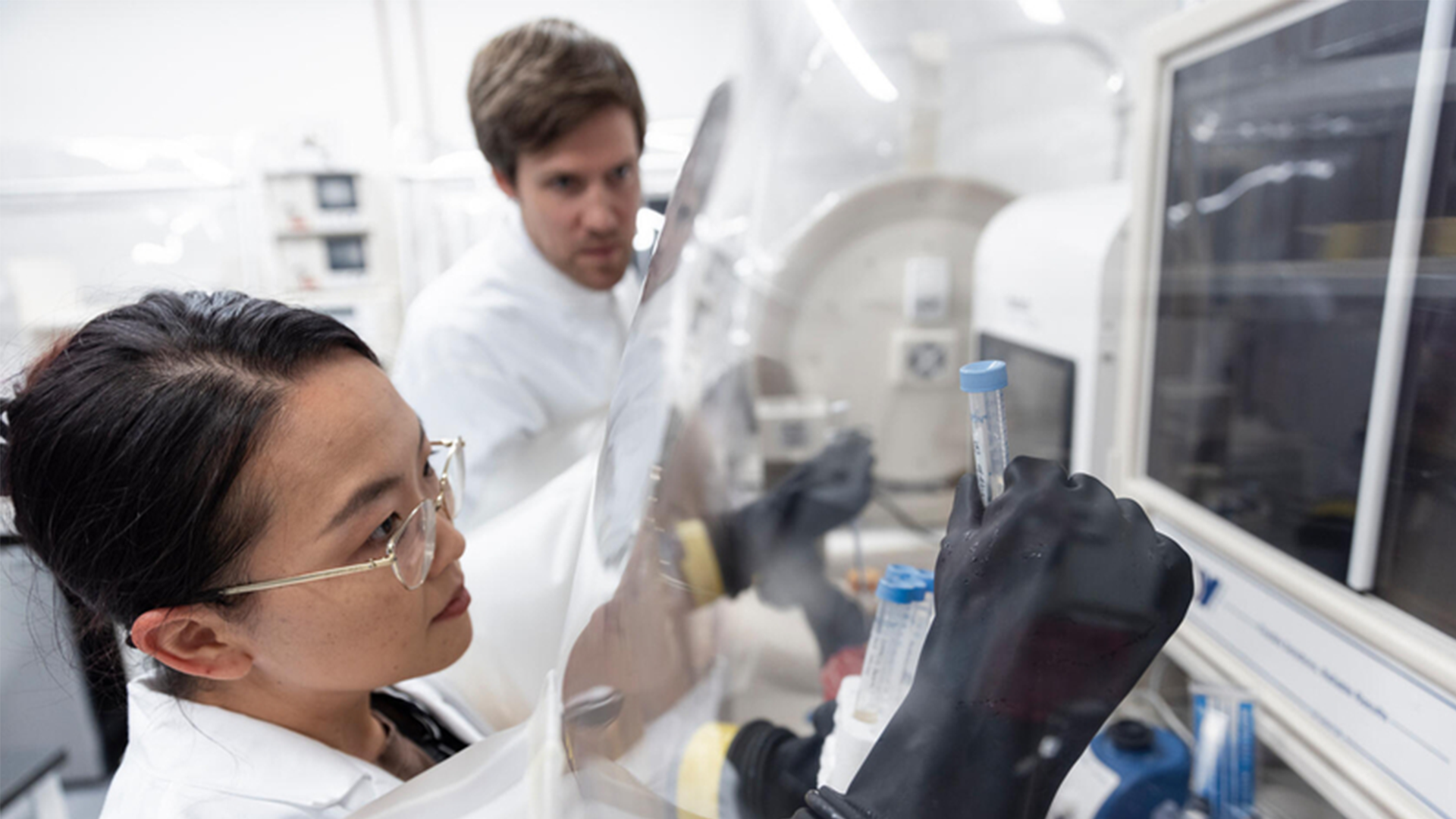
Helen Xiao, Ph.D., and Ruben Mars, Ph.D., work in the Mayo Clinic Microbiomics Program laboratory.

ROCHESTER, Minn. — Mayo Clinic researchers have discovered that chemical signals produced by gut bacteria work together to control intestinal movement. One bacterial signal helps set the intestines in motion, while another primes gut cells to respond more strongly, amplifying the effect.

The research expands scientists’ understanding of how the gut microbiome communicates with the body, moving beyond the traditional focus on individual bacteria or bacterial molecules.

The findings, published in the Proceedings of the National Academy of Sciences, point to a potential new direction for microbiome-based treatments: restoring combinations of microbial signals rather than targeting a single microbe or molecule. The strategy could have implications for constipation-predominant irritable bowel syndrome, a chronic condition marked by abdominal pain and constipation.

“The gut microbiome is made up of trillions of microbes producing a vast array of chemical messages that interact with cells throughout the digestive tract,” says Purna Kashyap, M.B.B.S., a Mayo Clinic gastroenterologist, director of the Mayo Clinic Microbiomics Program and a senior author of the study. “Deciphering how those signals work in combination gives us a much more precise picture of what is disrupted in disease and what would need to be restored to recover normal function.”

How bacterial signals work in combination

Researchers focused on two bacterial molecules: hypoxanthine and butyrate. Earlier Mayo Clinic research found lower levels of both in patients with constipation-predominant irritable bowel syndrome. That finding led researchers to a deeper question: How do these molecules affect intestinal movement?

In the new study, the researchers found that hypoxanthine prompts specialized cells lining the intestine to release serotonin, a chemical messenger that helps move food through the digestive tract. Butyrate works differently. It primes the cells to respond more strongly to hypoxanthine, amplifying the effect.

These specialized cells, called enterochromaffin cells, serve as hubs where different microbial signals come together. They help the gut receive and respond to multiple chemical messages at once.

Researchers followed that chain of events from what happens inside a single gut cell to how contents move through the intestines. They used laboratory-grown intestinal cells, miniature gut models called organoids, intestinal tissue and genetically altered bacteria to piece together each part of the process.

Gianrico Farrugia, M.D., president and CEO of Mayo Clinic and a co-author of the study, is a gastroenterologist whose research has focused on the mechanisms that control gastrointestinal function.

“We have an opportunity to move beyond managing the consequences of disease and toward restoring function for patients,” Dr. Farrugia says. “That starts with answering the unanswered questions we see in our patients and following the biology until we understand the mechanism. With that depth of understanding, we can uncover new possibilities for treatment and ultimately advance new cures.”

What’s next 

Researchers next want to determine whether identifying combinations of microbial signals that are altered in individual patients could eventually help guide treatment. Future research will explore whether restoring complementary signals can improve intestinal movement, with the longer-term goal of developing more precisely targeted microbiome-based therapies.

The research was supported by the National Institutes of Health, Mayo Clinic Center for Individualized Medicine, Mayo Clinic Microbiome Program and other organizations. One or more of the investigators is an inventor of technology related to this research. For a complete list of authors, disclosures and funding, review the study.

###  

About Mayo Clinic  
Mayo Clinic is a nonprofit organization committed to innovation in clinical practice, education and research, and providing compassion, expertise and answers to everyone who needs healing. Visit the Mayo Clinic News Network for additional Mayo Clinic news.  

Media contact:   

Related Articles


Source link

Share. Facebook Twitter Pinterest LinkedIn Tumblr Telegram Email
Previous ArticleA blanket screen-time ban won’t fix what’s broken in edtech
Next Article We stopped waiting for the teacher pipeline–we built our own
studyblog
  • Website

Related Posts

Mayo Clinic receives gift from Penske Foundation to transform patients’ arrival experience

September 30, 2026

Distinct gut microbiome patterns found in 5 cancer groups and in early-onset cancers

September 29, 2026

Brain metastases: Fractionated radiosurgery reduces recurrence after surgery

September 28, 2026
Add A Comment
Leave A Reply Cancel Reply

Top Posts

10 Trends From Year 2020 That Predict Business Apps Popularity

January 20, 2021

Shipping Lines Continue to Increase Fees, Firms Face More Difficulties

January 15, 2021

Qatar Airways Helps Bring Tens of Thousands of Seafarers

January 15, 2021

Subscribe to Updates

Get the latest sports news from SportsSite about soccer, football and tennis.

Vodacom Study delivers trusted insights on technology, business, finance, and education—helping you learn smarter, stay informed, and succeed in a rapidly changing world.

Facebook X (Twitter) Instagram Pinterest
Top Insights

Top UK Stocks to Watch: Capita Shares Rise as it Unveils

January 15, 2021
8.5

Digital Euro Might Suck Away 8% of Banks’ Deposits

January 12, 2021

Oil Gains on OPEC Outlook That U.S. Growth Will Slow

January 11, 2021
Get Informed

Subscribe to Updates

Get the latest creative news from FooBar about art, design and business.

© 2013 - www.vodacomstudy.com | All rights reserved
  • Home
  • Technology
  • Business
  • Get In Touch

Type above and press Enter to search. Press Esc to cancel.