
Close Menu
Vodacom Study Blog –  Empowering Learning, Inspiring Success
  • Home
  • Technology
    • AI
    • programming
    • Gadgets
    • Software
    • cybersecurity
  • Finance
    • banking
    • budgeting
    • crypto
    • investing
  • Business
    • Entrepreneurship
    • leadership
    • management
    • marketing
  • Education
    • Learning resources
    • online courses
    • academic guidance
    • academic guidance
    • Learning resources
  • More
    • Business
      • management
      • leadership
      • Entrepreneurship
      • marketing
      • Education
      • academic guidance
      • Learning resources
    • Entertainment
      • celebrity
      • Movies
      • reviews
      • news
      • music
      • TV shows
    • Health & Wellness
      • Fitness
      • lifestyle habits
      • medical advice
      • mental health
    • Lifestyle
      • relationships
      • Daily living
      • habits
      • self-improvement
      • minimalism
    • Sports
      • fitness sports content
      • Game analysis
      • athletes
      • news
    • Home & Garden
      • DIY home improvement
      • gardening
      • Interior design
    • Parenting & Family
      • parenting tips,
      • Childcare
      • parenting tips,
      • family life
      • education
    • Personal Development
      • motivation
      • Productivity
      • psychology
      • goal setting
      • habits
    • Travel
      • travel guides
      • tips
      • itineraries
      • Destinations
      • reviews
    • Food & Recipes
      • Cooking
      • baking
      • diets
      • restaurant reviews
  • About Us
  • Contact
What's Hot

What E-Rate makes possible: Four lessons from our district

September 28, 2026

Mayo Clinic experts present radiation oncology research at ASTRO 2026

September 25, 2026

Teachers weigh the realities of classroom technology in new national survey

September 25, 2026
Facebook X (Twitter) Instagram
Vodacom Study Blog –  Empowering Learning, Inspiring SuccessVodacom Study Blog –  Empowering Learning, Inspiring Success
Subscribe
  • Home
  • Technology
    • AI
    • programming
    • Gadgets
    • Software
    • cybersecurity
  • Finance
    • banking
    • budgeting
    • crypto
    • investing
  • Business
    • Entrepreneurship
    • leadership
    • management
    • marketing
  • Education
    • Learning resources
    • online courses
    • academic guidance
    • academic guidance
    • Learning resources
  • More
    • Business
      • management
      • leadership
      • Entrepreneurship
      • marketing
      • Education
      • academic guidance
      • Learning resources
    • Entertainment
      • celebrity
      • Movies
      • reviews
      • news
      • music
      • TV shows
    • Health & Wellness
      • Fitness
      • lifestyle habits
      • medical advice
      • mental health
    • Lifestyle
      • relationships
      • Daily living
      • habits
      • self-improvement
      • minimalism
    • Sports
      • fitness sports content
      • Game analysis
      • athletes
      • news
    • Home & Garden
      • DIY home improvement
      • gardening
      • Interior design
    • Parenting & Family
      • parenting tips,
      • Childcare
      • parenting tips,
      • family life
      • education
    • Personal Development
      • motivation
      • Productivity
      • psychology
      • goal setting
      • habits
    • Travel
      • travel guides
      • tips
      • itineraries
      • Destinations
      • reviews
    • Food & Recipes
      • Cooking
      • baking
      • diets
      • restaurant reviews
  • About Us
  • Contact
Vodacom Study Blog –  Empowering Learning, Inspiring Success
Home»canvas»Will schools answer the Canvas breach’s wake-up call?
canvas

Will schools answer the Canvas breach’s wake-up call?

studyblogBy studyblogJuly 19, 2026No Comments4 Mins Read
Facebook Twitter LinkedIn Telegram Pinterest Tumblr Reddit WhatsApp Email
Share
Facebook Twitter LinkedIn Pinterest Email


Key points:

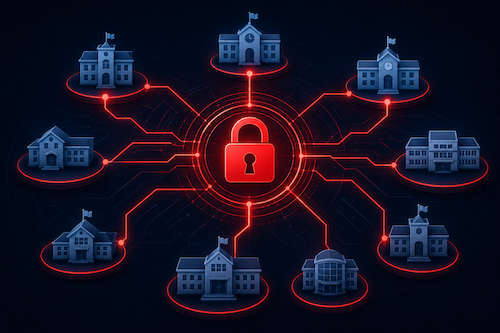
The recent Instructure/Canvas breach should be a wake-up call for every school and university relying on third-party platforms to power teaching and learning.

Education’s attack surface is no longer limited to district firewalls or school-issued devices. It now extends across the cloud services, identity systems, and other platforms that support daily instruction. This reality is forcing a mindset shift: Traditional perimeter defenses are still necessary, but they are no longer sufficient.

Digital landscape

To understand the urgency, it’s important to consider how the digital sprawl in education has amplified security risks. Districts now rely on thousands of edtech tools, and studies have found that 96 percent of K-12 apps share children’s personal data with third parties. A single vendor compromise can expose far more than static records. It can reveal the relationships, communications, and account details hackers need to launch convincing phishing, impersonation, and account takeover campaigns.

This is what makes breaches like the Instructure incident so dangerous. It’s not just that sensitive data was exposed, but rather that this information can be weaponized by threat actors almost immediately. Names, email addresses, student IDs, and message history can all be combined to create highly convincing attacks against students, families, and others in the school community.

While Instructure ultimately paid a ransom to ensure the destruction of the breached data, there is no guarantee that other incidents will be resolved so favorably.

The identity risk layer

The pervasive problem of password reuse makes the situation worse. Eighty-four percent of people employ the same one for multiple accounts, and 8 percent admit to continuing to use a credential even after learning it was compromised in a breach.

Exposed passwords are traded or resold in criminal marketplaces. This makes it incredibly easy for attackers to pair these lists with breached personal details and gain unauthorized access to email, LMS accounts, student records, and other critical systems. In this environment, it’s easy to envision how a breach at one software provider can quickly snowball to affect thousands of schools and universities.

The domino effect

As institutions rely on more external platforms, they also inherit more exposure from each provider’s security gaps. To address this, it’s vital that schools prioritize security in the RFP process, paying particular attention to data governance, identity management, authentication practices, and where and how confidential information is stored.

Another best practice is for institutions to minimize the amount of sensitive data they retain and share, as much as possible. The less information stored in connected systems, the less there is for threat actors to weaponize should a breach occur.

A layered strategy

Ultimately, however, institutions should operate under the knowledge that some level of exposure is inevitable. The goal is not to prevent every incident but rather reduce the damage when one occurs. This means adopting an assume-breach mindset and building layered defenses with strategies like zero trust, network segmentation, and stronger credential protection.

For schools and universities already stretched by limited budgets and lean IT teams, that may sound daunting. The good news is that many of these capabilities can be automated, allowing institutions to harden their environments without adding substantial manual work. 

For example, modern credential screening solutions can check for compromise when passwords are created and on an ongoing basis with the latest threat intelligence. By eliminating the use of breached credentials, schools can reduce the likelihood that exposed email addresses or other personal information will be turned into account compromise. Because this screening happens automatically, there is no additional work for the IT team.

Of course, credential screening is just one piece of the much larger effort to protect identities, data, and access across education’s distributed, digital ecosystem. And as schools investigate how to do this effectively, implementing other strategies that shrink the window of opportunity after data exposure is essential.

Protecting the expanding perimeter

The lesson from the Canvas breach is clear: Modern education security requires more than firewalls and endpoint protection. Schools and universities cannot prevent every breach, but they can ensure their impact is less damaging. That starts with recognizing that the perimeter has already changed, and adopting a layered approach that includes third-party oversight, data minimization, and stronger authentication management to protect the identities and credentials hackers are eager to exploit.

Michael Greene, Enzoic

Michael Greene is CEO of Enzoic.

Latest posts by eSchool Media Contributors (see all)


Source link

canvas digital districts IT IT leadership K-12 leadership learning network security news
Share. Facebook Twitter Pinterest LinkedIn Tumblr Telegram Email
Previous ArticleMy students need real connection, not AI feedback
Next Article Data alone doesn’t determine school success–leaders who know how to use it do
studyblog
  • Website

Related Posts

What E-Rate makes possible: Four lessons from our district

September 28, 2026

Teachers weigh the realities of classroom technology in new national survey

September 25, 2026

An early childhood classroom: Supporting emotional well-being amid everyday challenges

September 24, 2026
Add A Comment
Leave A Reply Cancel Reply

Top Posts

10 Trends From Year 2020 That Predict Business Apps Popularity

January 20, 2021

Shipping Lines Continue to Increase Fees, Firms Face More Difficulties

January 15, 2021

Qatar Airways Helps Bring Tens of Thousands of Seafarers

January 15, 2021

Subscribe to Updates

Get the latest sports news from SportsSite about soccer, football and tennis.

Vodacom Study delivers trusted insights on technology, business, finance, and education—helping you learn smarter, stay informed, and succeed in a rapidly changing world.

Facebook X (Twitter) Instagram Pinterest
Top Insights

Top UK Stocks to Watch: Capita Shares Rise as it Unveils

January 15, 2021
8.5

Digital Euro Might Suck Away 8% of Banks’ Deposits

January 12, 2021

Oil Gains on OPEC Outlook That U.S. Growth Will Slow

January 11, 2021
Get Informed

Subscribe to Updates

Get the latest creative news from FooBar about art, design and business.

© 2013 - www.vodacomstudy.com | All rights reserved
  • Home
  • Technology
  • Business
  • Get In Touch

Type above and press Enter to search. Press Esc to cancel.